 Deutsch
 Français
 Italiano
 Español
 Polski
 Nederlands
 Română
 Čeština
 Українська
 Português (Portugal)
 Ελληνικά
 Slovenčina
 Magyar
 Dansk
Dansk Lietuvių
 Türkçe
 Bahasa Indonesia
 Русский
 한국어
한국어 日本語
日本語 繁體中文
繁體中文 العربية
 فارسی
فارسی Português (Brasil)
 עברית
עברית Srpski
Gagauzia holds election for governor and assembly on 15 November 2026
Updated
Gagauzia, an autonomous region of Moldova, votes on 15 November 2026 for its governor, known as the Bashkan, and the 35 members of its legislature, the People's Assembly. Eight candidates seek the governor's post, empty since Evghenia Gutul was sentenced to prison in August 2025.
- Sunday · in 33 days
- Polls close · Sun, GMT
- 35seats in the People's Assembly
- 138people filed to run for the assembly
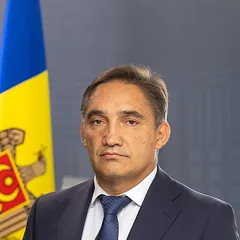 Alexandr StoianogloIndependentMember of Moldova's parliament
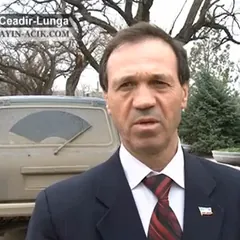 Fiodor GagauzParty of SocialistsMember of parliament from 2014 to 2025
- SASerghei AnastasovIndependentMayor of Comrat since 2015
- CDCornel DudnicIndependent
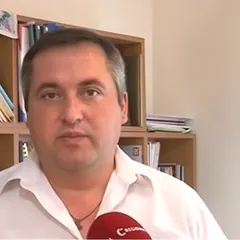 Oleg GarizanIndependent
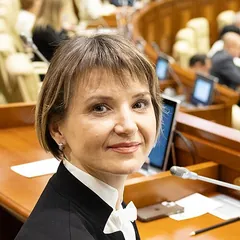 Ivanna KoksalIndependent
- ICIvan CilcicGagauz People's Party
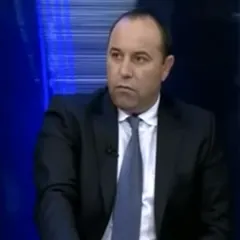 Petru VlahNew Historical Option
- Voting day
- 15 November 2026
- Polls close
- First results
- Polling stations report their counts within 18 hours of closing
- Elected
- The governor (Bashkan) and the 35 deputies of the People's Assembly
- Decided by
- Governor: more than half of the votes cast, or a second round on 29 November 2026
- Term of office
- Four years
Who is running
Eight candidates are registered for governor. Alexandr Stoianoglo, an independent, sits in Moldova's parliament and is a former prosecutor general. He lost the 2024 presidential runoff to Maia Sandu as the candidate of the Party of Socialists, whose leader Igor Dodon is known for his affinity for Moscow. He wants to restore dialogue between Comrat, the region's administrative centre, and Chisinau.
Fiodor Gagauz, the Party of Socialists' nominee, sat in Moldova's parliament from 2014 to 2025. Serghei Anastasov, an independent, has been mayor of Comrat since 2015 and supports renewed dialogue with Chisinau.
The others are Cornel Dudnic, Oleg Garizan and Ivanna Koksal, all independents; Ivan Cilcic of the Gagauz People's Party, a regional party; and Petru Vlah of the New Historical Option party. For the People's Assembly, 138 people filed to run, 95 of them as independents.
How the vote works
Polling stations are open from 07:00 to 21:00 local time. A candidate for governor wins with more than half of the votes cast. If nobody reaches that, a second round is held on 29 November 2026.
The 35 assembly deputies are elected directly for four years, one in each of 35 constituencies.
Moldova's Central Electoral Commission organises the vote. Changes to the Electoral Code published on 26 August 2026 placed Gagauzia's elections within the national electoral system. A candidate for governor must be at least 35, have lived in Gagauzia for 10 years and speak Gagauz and Romanian.
How the race got here
Gutul won the governor's post in 2023 with the backing of Ilan Shor, a fugitive oligarch. In August 2025 she was sentenced to seven years in prison for supporting Shor's electoral fraud network. The People's Assembly declared the post vacant on 17 August 2026.
The assembly's own term expired on 15 November 2025. Courts annulled elections called for 22 March and 21 June 2026 because the region's electoral body had not been set up as the law requires. On 3 July 2026 the assembly set 15 November as the date. On 1 September the Central Electoral Commission put the governor's election on the same day.
What happens next
- The assembly sets the date of the vote
- The campaign begins
- The campaign ends
- Voting day
- Second round for governor, if needed
The campaign runs from 16 October to 13 November 2026.
Each polling station must report its count within 18 hours of closing. If no candidate for governor has more than half of the votes, the Central Electoral Commission calls the second round by 19 November.
Gagauzia's Central Electoral Council, the regional election body, validates the winner's mandate within 10 days of receiving the count records, once any complaints are settled. The governor is by office a member of Moldova's government.
Latest news
- After the 6 October deadline, the CEC reported 26 registered People's Assembly candidates (20 party, 6 independent) and 3 registered Bashkan candidates. Logos Press
Summarised automatically from the linked sources. Central Electoral Commission of Moldova · Moldpres · Moldpres (2) · Moldpres (3) · PRO TV Chișinău · Radio Europa Liberă Moldova · NewsMaker · Radio Chișinău
Photo: Alexandr Stoianoglo: Parlamentul Republicii Moldova | Pagina oficială, CC0, Wikimedia Commons (cropped) · Fiodor Gagauz: AYIN-ACIK, CC BY 3.0, Wikimedia Commons (cropped) · Oleg Garizan: AYIN-ACIK, CC BY 3.0, Wikimedia Commons (cropped) · Ivanna Koksal: Parlamentul Republicii Moldova | Pagina oficială, CC0, Wikimedia Commons (cropped) · Petru Vlah: Aiinaciic, CC BY 3.0, Wikimedia Commons (cropped)

.png)
.png)

.png)